Building the Bowl: From Dream to Destination
On view through December 2027
Ljiljana Grubisic, Curator
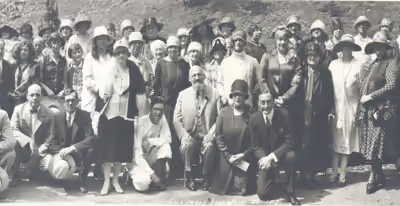
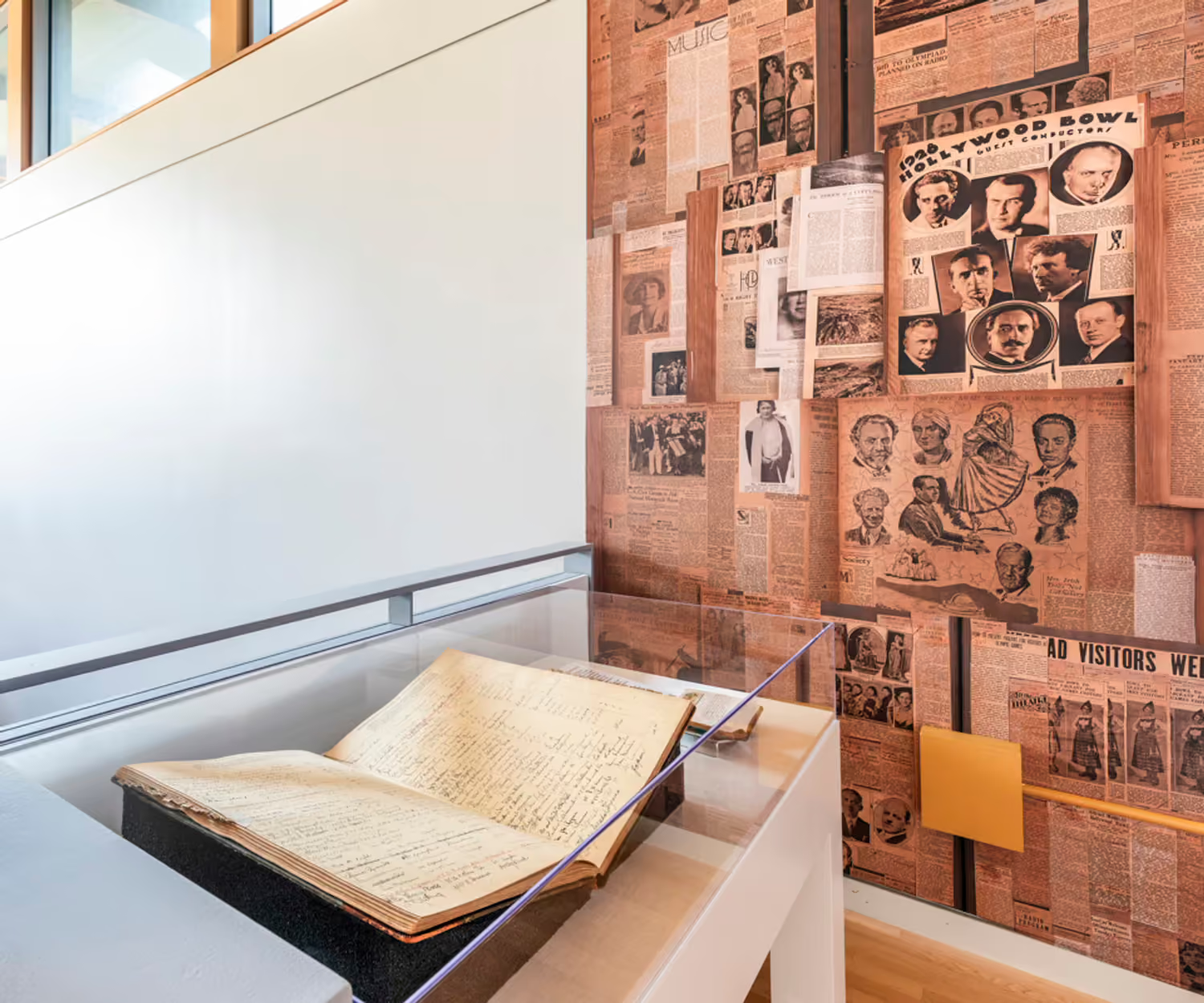
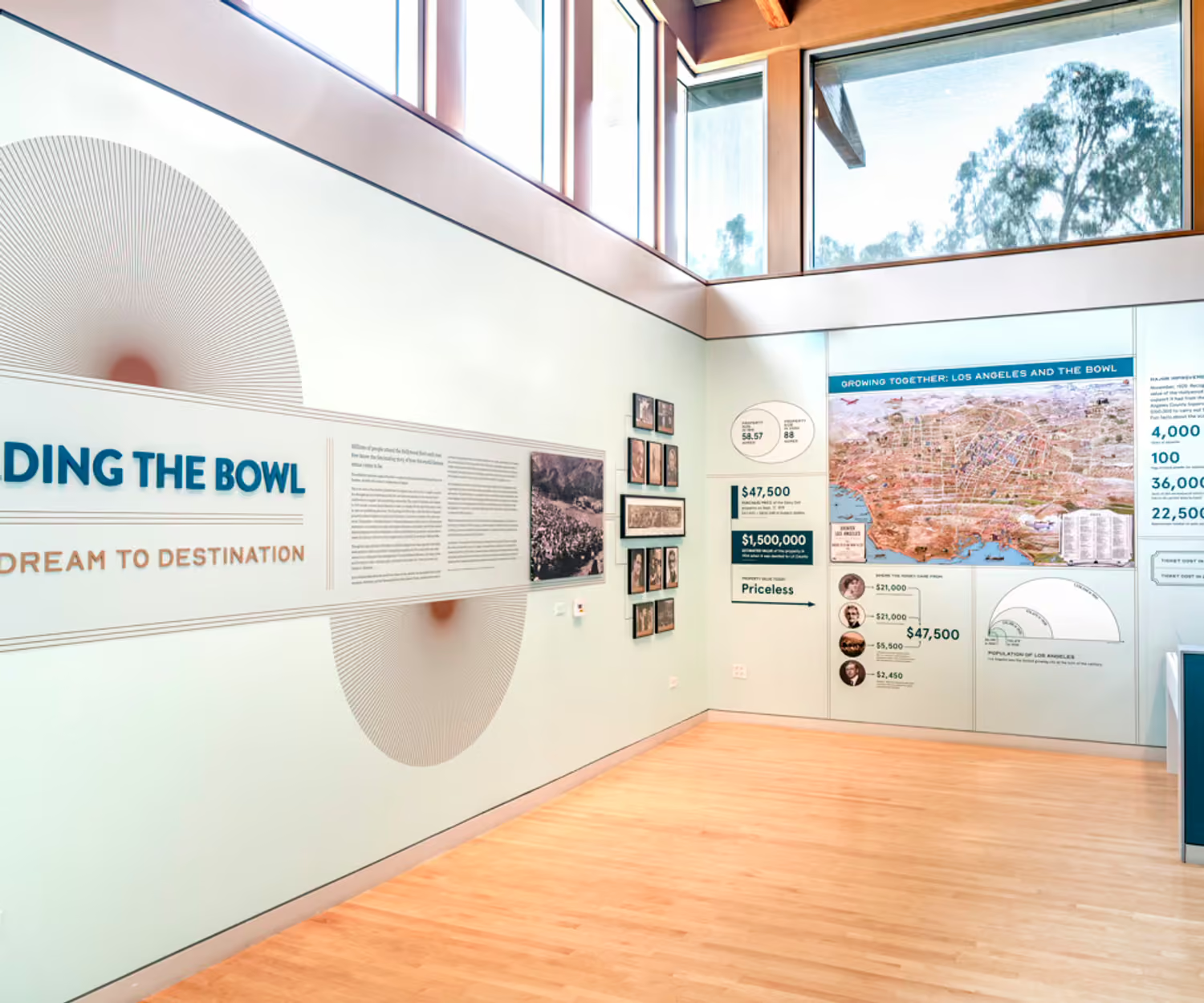
In 1919, a virtual who’s who of Los Angeles cultural and civic life galvanized around a project to build the first urban open-air performing arts venue in the nation. Aiming to put Los Angeles on the map, these impresarios, musicians, real estate moguls, Theosophists, “professional men” of various backgrounds, and others brought their own ideas and agendas for the venue and how it could serve Los Angeles’ vast and growing communities.
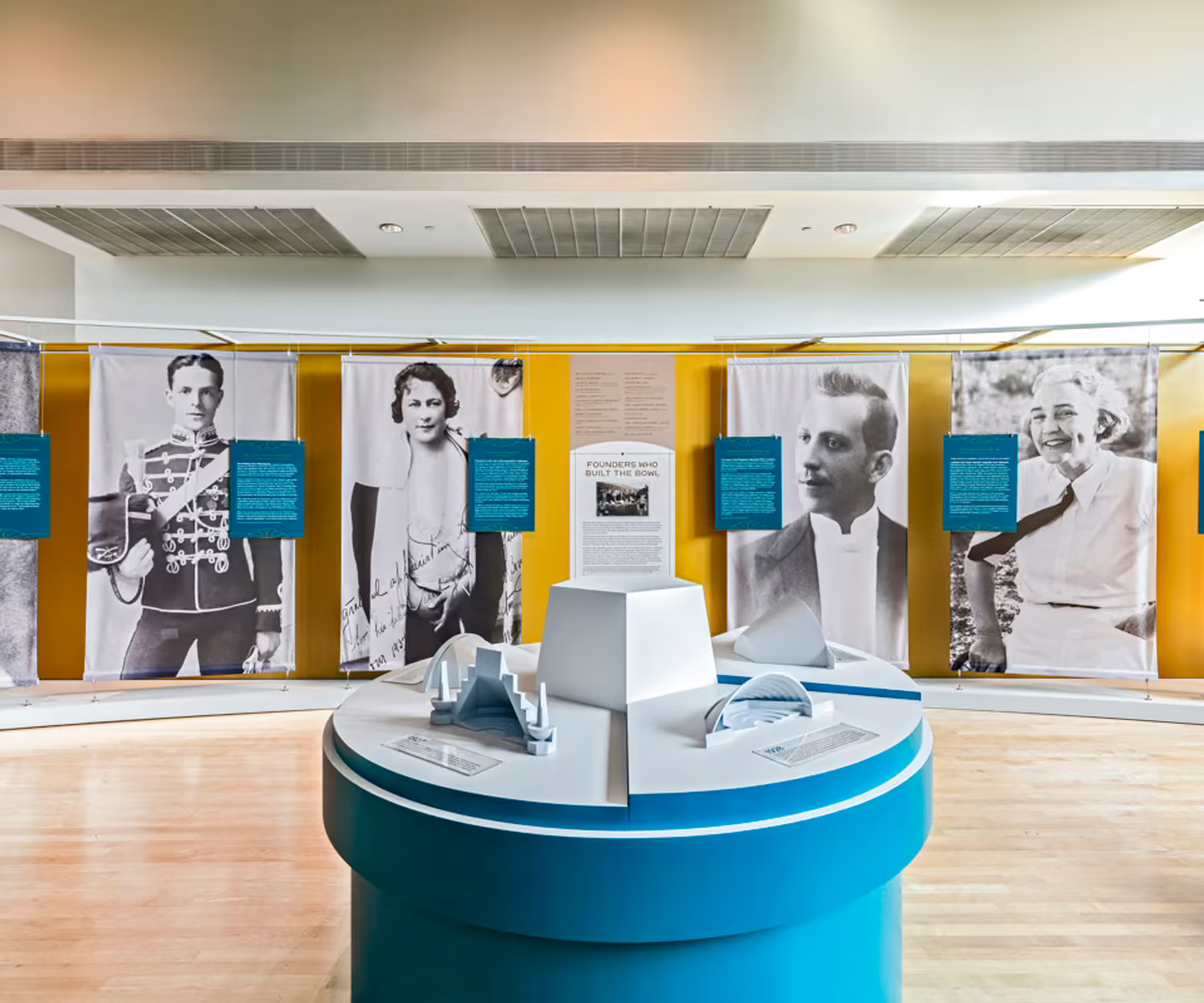
Currently on view at the Hollywood Bowl Museum, Building the Bowl: From Dream to Destination focuses on six of the central founding figures of the Hollywood Bowl—Christine Wetherill Stevenson, Dr. T. Perceval Gerson, Charles E. Toberman, Artie Mason Carter, Frederick W. Blanchard, and Florence M. Irish—each of whom played a distinctive role in its history.
4 Images
Christine Wetherill Stevenson
The Wealthy Theosophist
A Philadelphia-born heiress, Christine Wetherill Stevenson (1878–1922) was an actor, producer, and playwright before turning to Theosophy in the wake of World War I. During that period, she began spending more time in Los Angeles and became the first president of the Theatre Arts Alliance, an organization established to develop a community arts center. When a site with “miraculous” acoustics was identified, Stevenson invested $21,000 toward the $47,500 needed to purchase the property, then known as Daisy Dell. This land would eventually become the home of the Hollywood Bowl.
But Stevenson’s ambitions to stage a seven-play cycle on the site based on the lives of the prophets clashed with the less religious aspirations of fellow founders. She sold her share of Daisy Dell and purchased a plot of land nearby where she could build a 1,000-seat theater to stage her Pilgrimage Play. It exists today as The Ford.

Dr. T. Perceval Gerson
The Civic-Minded Physician
Also hailing from Philadelphia, Theodore Perceval Gerson (1872–1960) became vice president to Stevenson’s president when the Theatre Arts Alliance was established in May 1919. Less than a year later, he negotiated the buyout of Stevenson’s interest in Daisy Dell and helped reincorporate the nascent organization as the Community Park and Art Association. Gerson, a progressive reformer, would often butt heads with the more business-minded members of the various boards that controlled the Bowl.

Artie Mason Carter
The Music Evangelist
A music teacher originally from Missouri, Artie Mason Carter (1881–1967) discovered her “true calling” at the Hollywood Community Sing, which she expanded to 900 members and then looked for a venue where it could perform. She recruited the newly founded Los Angeles Philharmonic Orchestra for her mission, and on March 21, 1921, both groups came together to give birth to the Hollywood Bowl.
Carter became secretary of the Community Park and Art Association and helped program four seasons of the Los Angeles Philharmonic’s “Symphonies Under the Stars” concert series. She resigned in 1926 due to tensions with the other members of the board.

Frederick W. Blanchard
The First President of the Bowl
The owner of the Fitzgerald & Blanchard Music Company, which sold sheet music and instruments, Frederick W. Blanchard (1864–1928) was a popular figure in Los Angeles’ burgeoning music scene. He was also a natural choice to be the first president of the Community Park and Art Association, the successor to the Theatre Arts Alliance, which ran the Bowl. With Artie Mason Carter as secretary, he helped raise money through “penny-a-day” banks and was essential in recruiting Dr. Alfred “Papa” Hertz, a German-born conductor who had spent 13 seasons at the Metropolitan Opera, to lead the first “Symphonies Under the Stars” series.

Florence M. Irish
The Bowl Field Marshal
With energy like “the sun rising over the Earth,” Florence M. Irish (1889–1971) organized Los Angeles Philharmonic concerts at the Bowl and downtown, overseeing marketing, operations, and groundskeeping from 1926 to 1944. The Southern California Military Bureau Chief of the Red Cross (a position traditionally occupied by a military officer), Irish led an “army” of volunteers dedicated to receiving donations and selling tickets in support of the LA Phil and the Hollywood Bowl.

Charles E. Toberman
The Real Estate Mogul
A self-made man, Charles E. Toberman (1880–1981) arrived in Los Angeles in 1902 with hardly a penny to his name and rose to the top of Southern California’s real estate business by the 1920s. He has been called “the Father of Hollywood” for his role in developing landmarks such as Grauman’s Chinese Theatre, the Hollywood Masonic Temple, and the Roosevelt Hotel. Ironically, he also used his real estate savvy to protect the Bowl from fellow developers, particularly during its early years.
A music lover with a pragmatic streak, he served as president of the Hollywood Bowl Association from 1934 to 1951 and advocated for an omnivorous range of performances at the Bowl, from grand opera to popular acts.

Building the Bowl: From Dream to Destination
On view through December 2027
Tuesday–Friday: 10am–showtime
Saturday–Monday: 4 hours before showtime
Visit the Museum
FREE admission all year
Touring the Bowl may be closed on specific days. Guests wishing to include a museum visit in their itinerary should contact the museum directly or our Audience Services team for further information.
-
Location
2301 N Highland Ave, Los Angeles, CA 90068
The Museum is located at the bottom of Peppertree Lane—the first building on the right when entering from Highland Avenue.
-
Summer Hours
(June–September, exact dates variable by season)
Tuesday–Friday: 10AM - show time
Saturday-Monday: 4 hours prior to show time -
Off-Season Hours
(Mid–September through June, exact dates variable by season)
Tuesday–Friday: 10AM - 5PM
Saturday–Monday: closed
Closed: Thanksgiving Day, Christmas Day, and New Year's Day


